Free Backlink Checker - Free SEO Tools
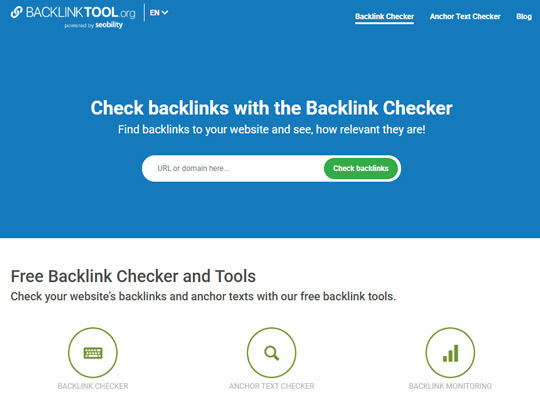
 The Free Backlink Checker helps you discover backlinks pointing to your website and evaluate the overall strength of your link profile. Backlinks, also called inbound links, remain one of the most important ranking factors because they help search engines understand the authority and relevance of a website.
Regular backlink analysis allows you to monitor your SEO progress, discover new linking opportunities, and identify potentially harmful links.
Search engines use backlinks to discover new pages and evaluate how websites relate to one another. When trusted and relevant websites link to your content, your pages are more likely to earn authority and improve their visibility in search results.
However, quality always matters more than quantity. A few strong backlinks from reputable websites often provide more value than hundreds of low-quality links.
Strong backlinks usually share several important characteristics:
A healthy backlink profile should grow naturally over time and include links from a wide variety of unique domains.
The Free Backlink Checker provides useful SEO metrics such as:
These metrics make it easier to compare your website with competitors and identify opportunities to strengthen your backlink profile.
The best backlinks are earned by publishing valuable content that others naturally want to reference. Helpful guides, original research, useful tools, and quality blog posts often attract links over time.
In contrast, link farms, automated directory submissions, comment spam, and mass link buying can damage your SEO instead of improving it. Building links gradually from relevant websites is a much safer long-term strategy.
If you’d like to review the anchor text used in your backlinks, try our anchor text checker.
You can also compare your results with the Backlink Watch tool, another useful option for analyzing inbound links.
A Free Backlink Checker gives you a clear overview of your website’s backlink profile and helps you make better SEO decisions. By focusing on relevant, high-quality backlinks instead of sheer numbers, you can build stronger authority and achieve more sustainable search rankings.